
Carbon Neutrality

We will contribute to achieving a decarbonized society by reducing greenhouse gas emissions and energy consumption from our business activities and improving energy efficiency, as well as by shifting to lower-impact energy sources and promoting the use of renewable energy. We will also reduce greenhouse gas emissions throughout our entire business value chain, contributing to the creation of a sustainable society.
Targets and Results
Targets:
- (Scope 1 and 2) Reduce CO₂ emissions by 50% from the 2017 level by 2028
- (Scope 3) Initiatives toward carbon neutrality by 2050
- Self-generated renewable energy 20%
FY2024 Results:
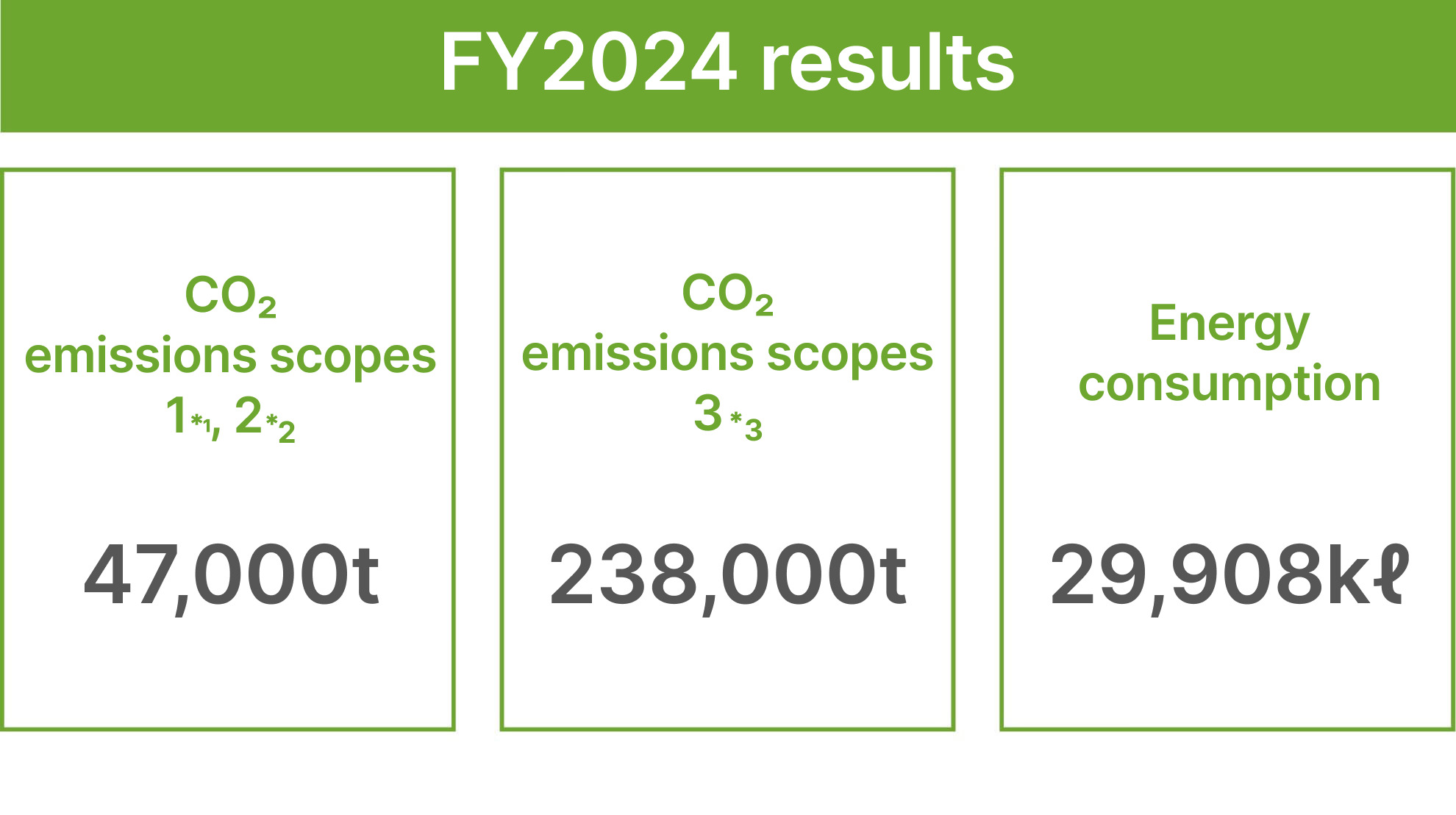
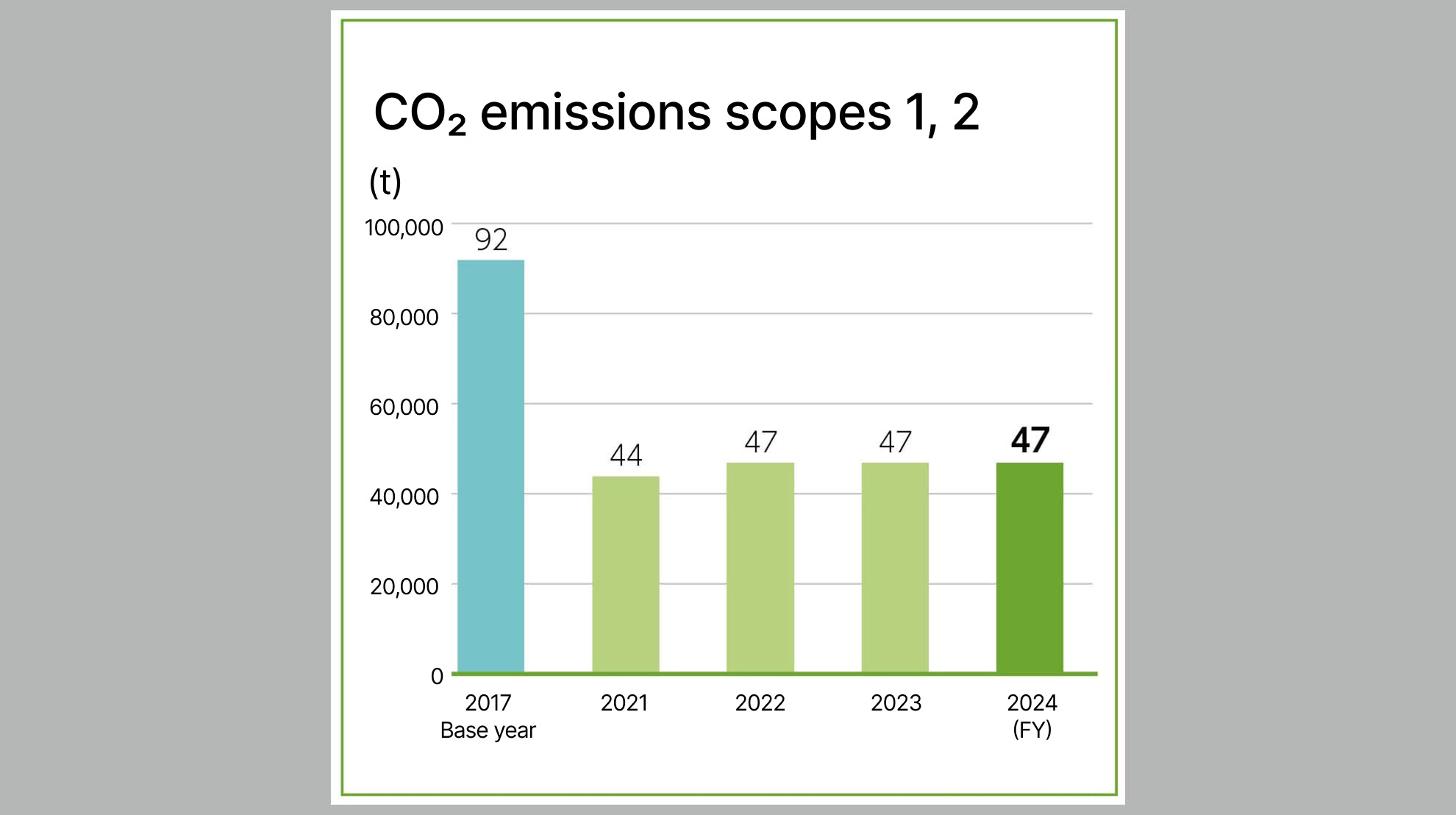
In 2024, CO₂ emissions increased by 1.1% year on year (a 49% reduction versus the
base year).
One factor was the establishment of the new Matsushige Factory; however, companywide energy-saving
activities curbed the increase in CO₂ emissions.
- Scope 1: Direct emissions of greenhouse gases by the company itself (fuel combustion, industrial processes)
- Scope 2: Indirect emissions associated with the use of electricity, heat, or steam supplied by other companies
- Scope 3: Indirect emissions other than Scope 1 and Scope 2 (emissions by other companies related to the company's activities)
Actual CO₂ emissions based on the emission factors for each fiscal year
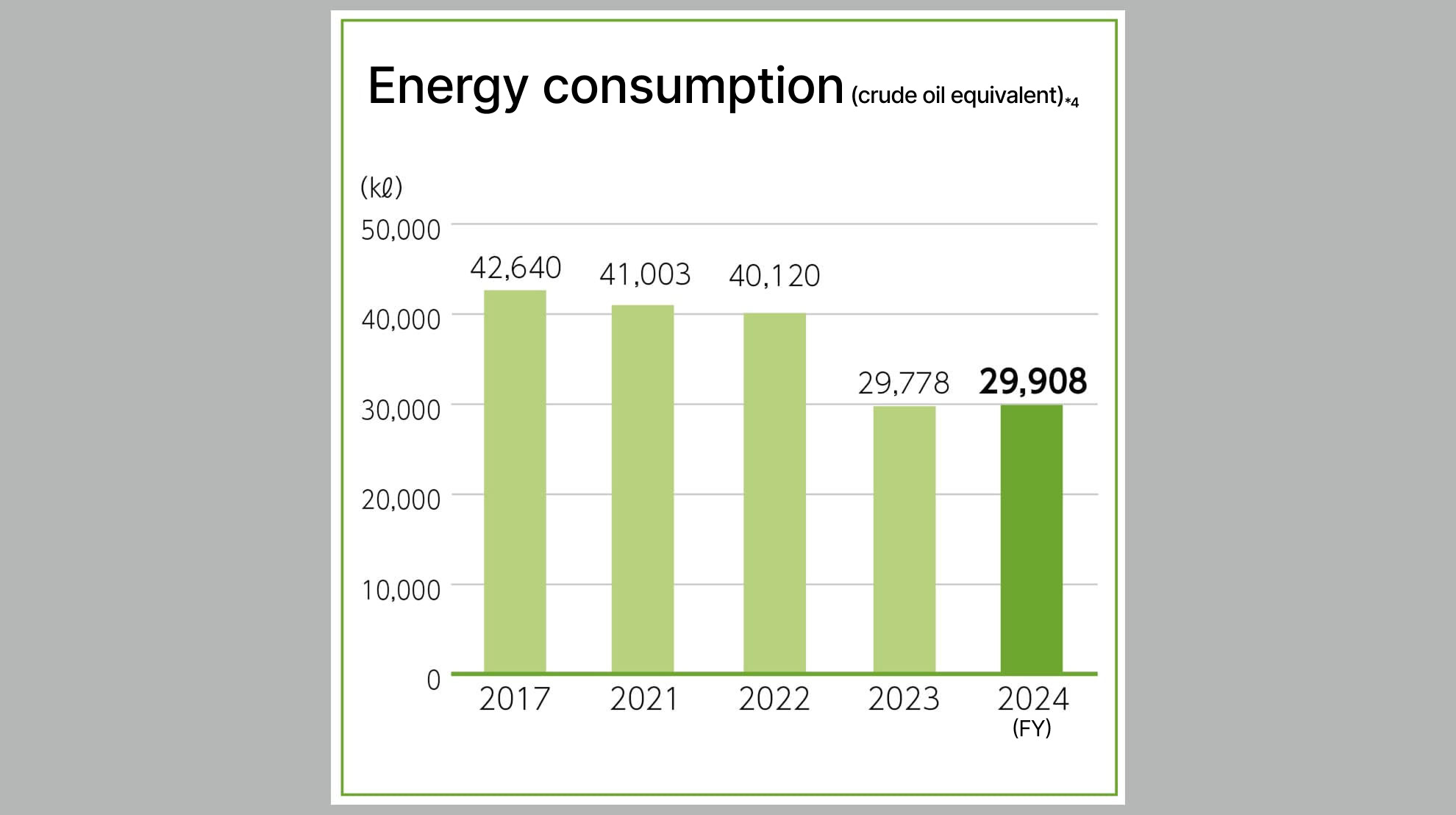
- From the FY2023 results, the heat conversion for electricity consumption is calculated using the secondary-energy-based conversion factor of 3.6 MJ/kWh
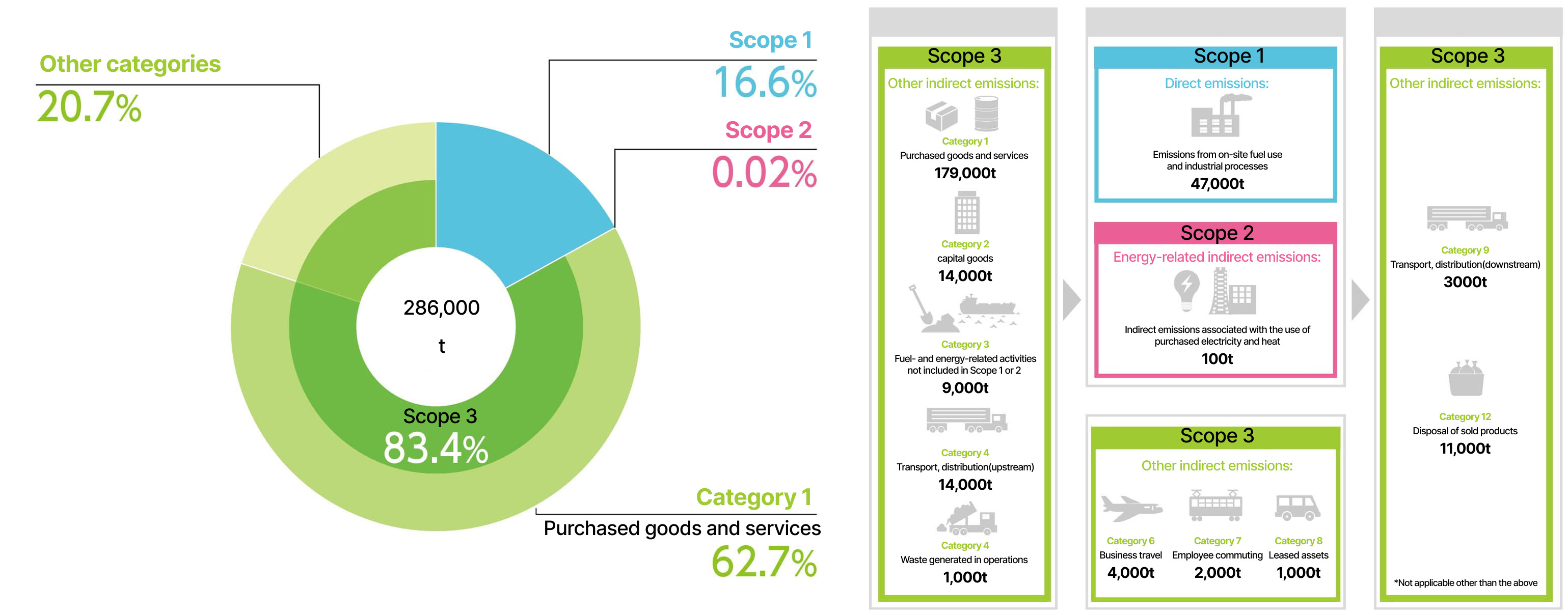
Greenhouse gas emissions for the entire value chain in 2024
To assess the environmental burden across the entire supply chain*5, in addition to emissions from our corporate activities (Scope 1 and 2), we calculate greenhouse gas emissions for the entire value chain*6, including emissions from the activities of suppliers and customers (Scope 3).
- Supply chain: Series of processes from procurement of raw materials to delivery of products to customers
- Value chain: Viewed in terms of value, the series of processes from procurement of raw materials to delivery of products to customers
CO₂ reduction initiatives at factories
CO₂-free electricity adopted at all factories
We introduced effectively CO₂-free electricity supplied from renewable energy at the
Naruto Head Office and Matsushige Factory in July 2019, at the Kushiro Factory in July 2020,
and at the Toyama Factory in May 2021, thereby completely adopting this electricity at all
factories.
As a result, we were able to reduce annual CO₂ emissions by approximately 32,000 t (41% of
our total).
Initiatives for self-generated renewable energy
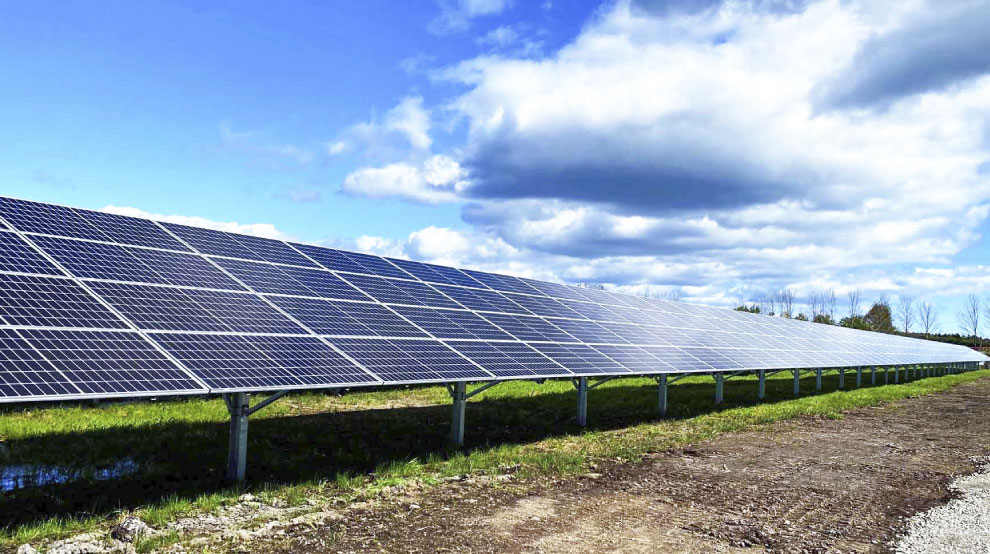
Solar panels installed on a site of nearly 50,000 m²
The adoption rate of self-generated renewable energy in 2024 was 4%.
In 2020, we installed a self-consumption solar power generation system*7 at our Kushiro
Factory that helps reduce CO₂ emissions. The system at the Kushiro Factory uses the electricity
generated by solar panels installed on-site for the manufacture of intravenous (IV) solutions,
which are ethical pharmaceuticals, among other purposes. By utilizing solar renewable energy,
annual power generation is approximately 3,300 MWh, and we can reduce CO₂ emissions by
approximately 2,100 t—about 10% of the Kushiro Factory's annual emissions (compared with 2017).
This is the first domestic installation of a mega-solar*8 system within the Otsuka
Group.
In 2024, we introduced solar power generation at the Naruto Factory. While the annual CO₂
reduction is relatively small at around 50 t, we will continue to increase the share of renewable
energy, such as solar power.
- Self-consumption solar power generation: A system in which electricity generated by solar power is used for self-consumption rather than being sold.
- Mega-solar: Refers to large-scale systems in solar power generation with output exceeding 1 MW (1,000 kW).
Naruto Factory: Introduction of a cogeneration system that helps to reduce CO₂ emissions and ensure a stable supply of pharmaceuticals.
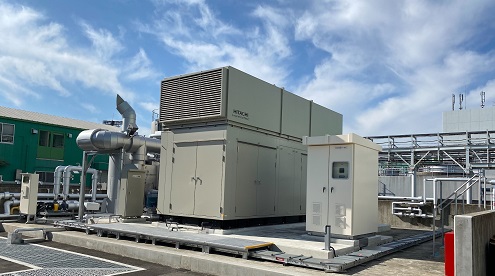
The cogeneration system at the Naruto Factory
In February 2022, we installed a cogeneration system at the Naruto Factory that helps reduce CO₂ emissions and ensure a stable supply of pharmaceuticals. This follows installations at the Matsushige Factory in 2010 and the Toyama Factory in 2020. The system is expected to significantly improve energy utilization efficiency, and together with the June 2021 switch of boiler fuel from Class A heavy oil*9 to LNG*10, it enabled a reduction of approximately 4,600 t—about 16% of the Naruto Factory's annual CO₂ emissions (compared with 2017). In addition, the system offers excellent disaster resilience, and during power outages, on-site power generation allows the continued production of pharmaceuticals; it is a BCP*11-compliant system.
- Class A heavy oil: One of the heavy petroleum products used primarily as fuel.
- LNG: Liquefied Natural Gas. A colorless, transparent liquid obtained by cooling and liquefying natural gas whose main component is methane.
- BCP: Business Continuity Plan.
Efforts to reduce CO₂ emissions in logistics
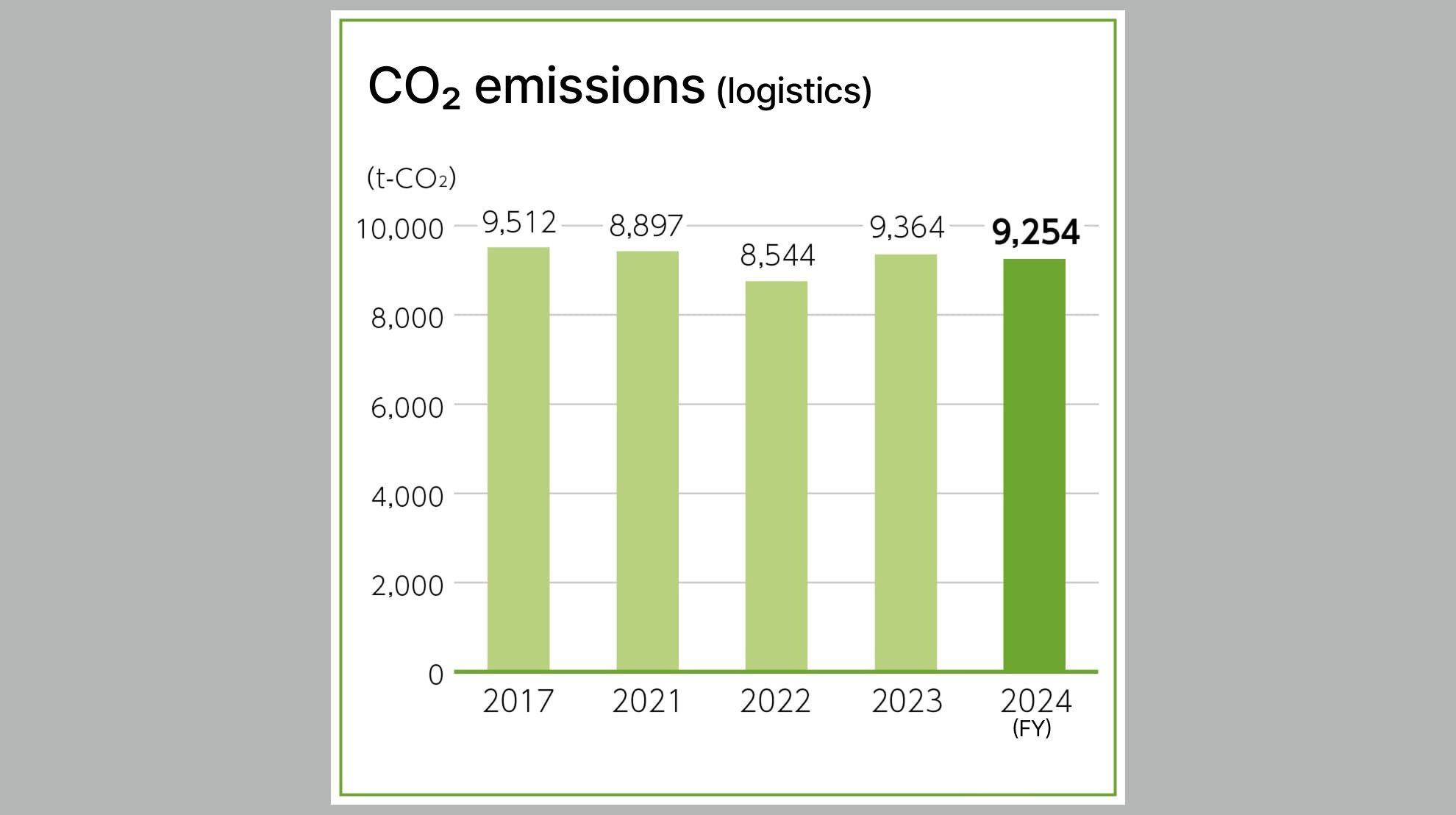
CO₂ is also generated during the logistics phase of delivering our products. Working with Otsuka Warehouse, the company responsible for the logistics of our products, we are pursuing a modal shift—switching transport from vehicles to ships and rail—in order to reduce CO₂ emissions in logistics.
In fiscal 2010, our Naruto Factory and Matsushige Factory, together with Otsuka Warehouse, were certified as an “Eco-Ship Mark” certified business under the “Eco-Ship Mark Certification System,” which recognizes companies that contribute to environmental measures through marine transport.