
Water Neutrality

Water is an indispensable resource for our business activities. Therefore, we are aiming for water neutrality by continuously conserving water from intake to discharge (cultivating forests that nurture water → using water responsibly → returning clean water to nature).
Targets and Results
Targets:
- Reduce water use by 10% by 2028 (compared with 2023).
- Roll out the factory water management program to all global sites by 2028.
- Formulate water-use strategies for business sites in water-stressed regions.
FY2024 Results:
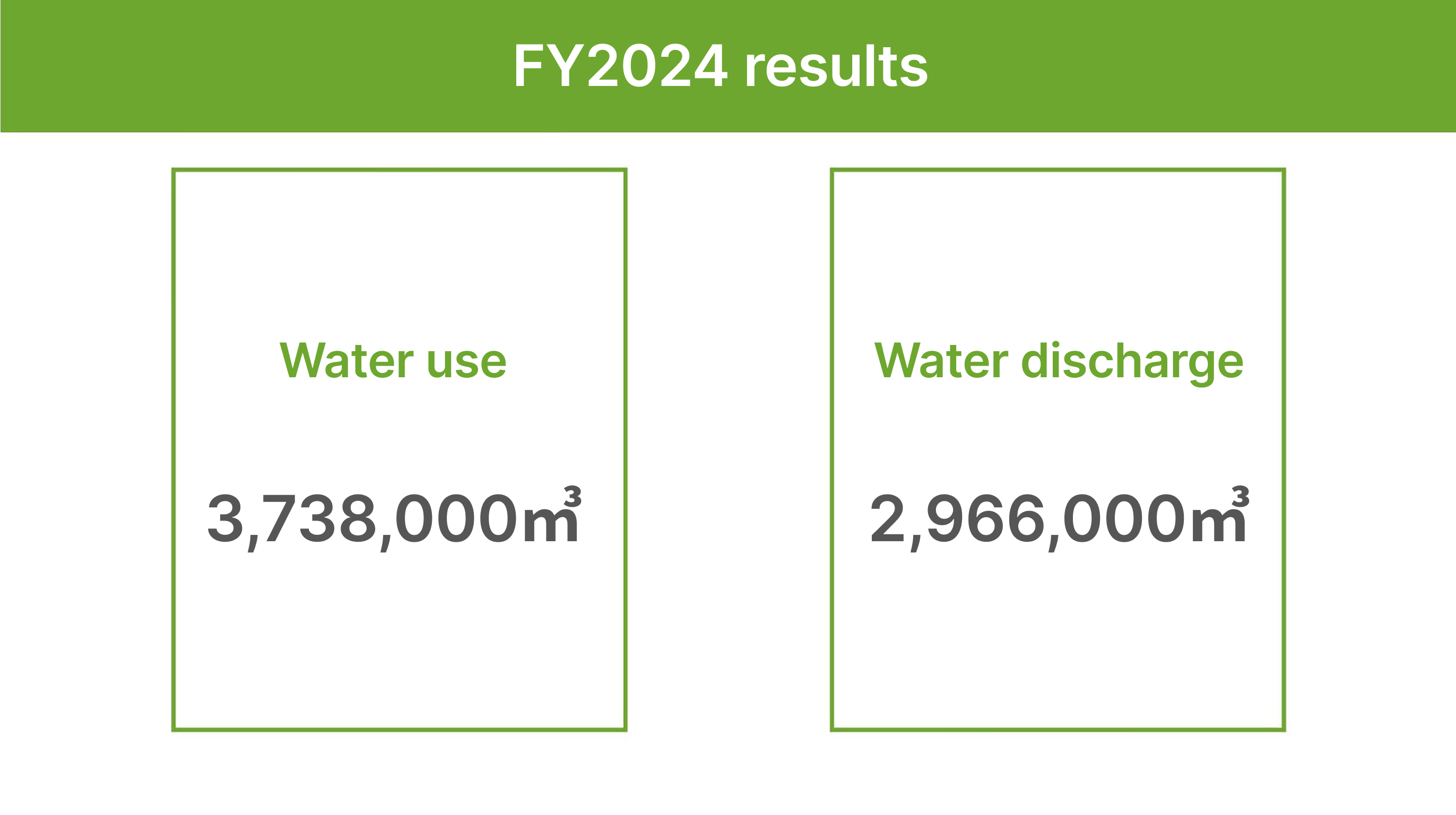
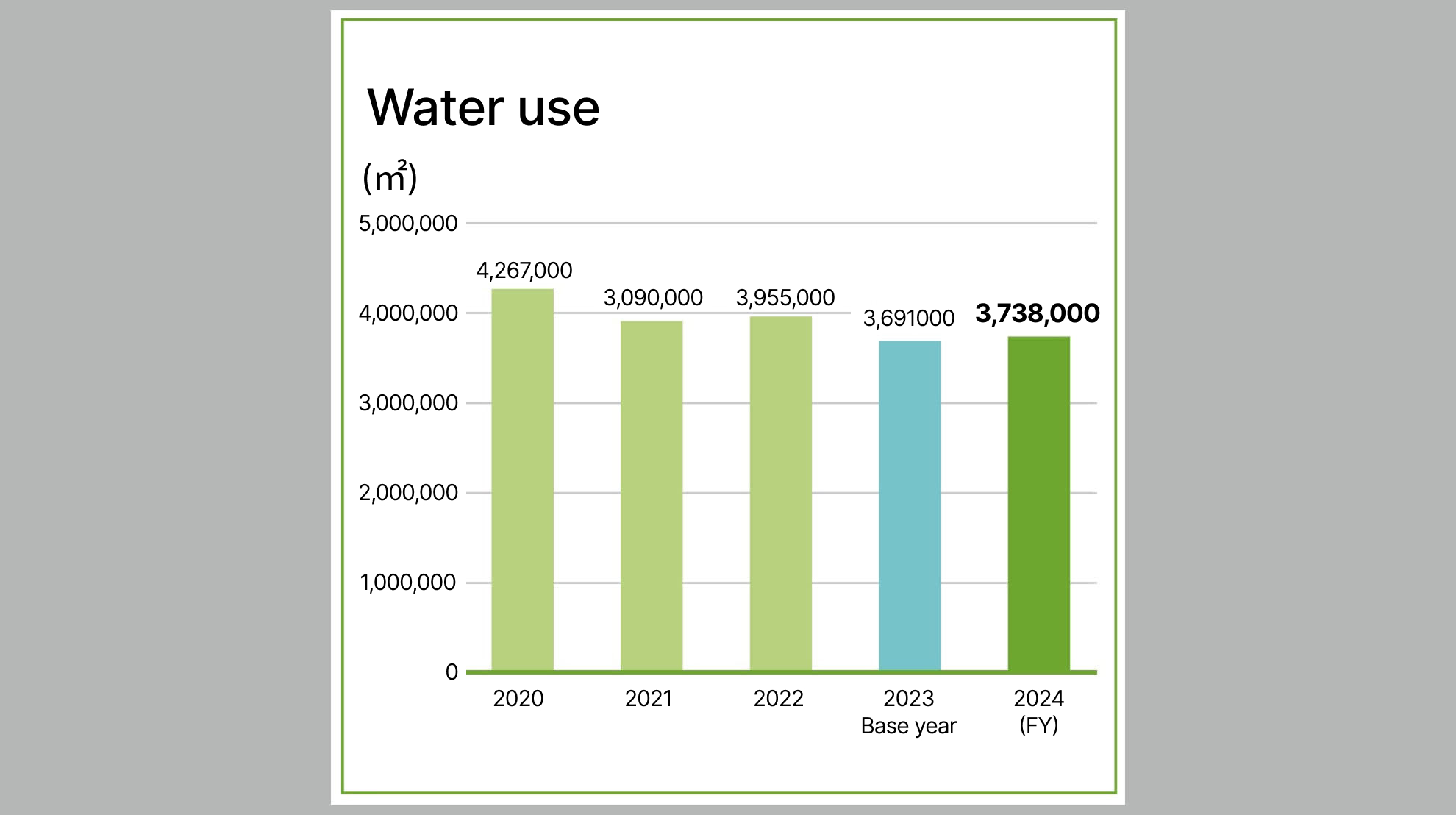
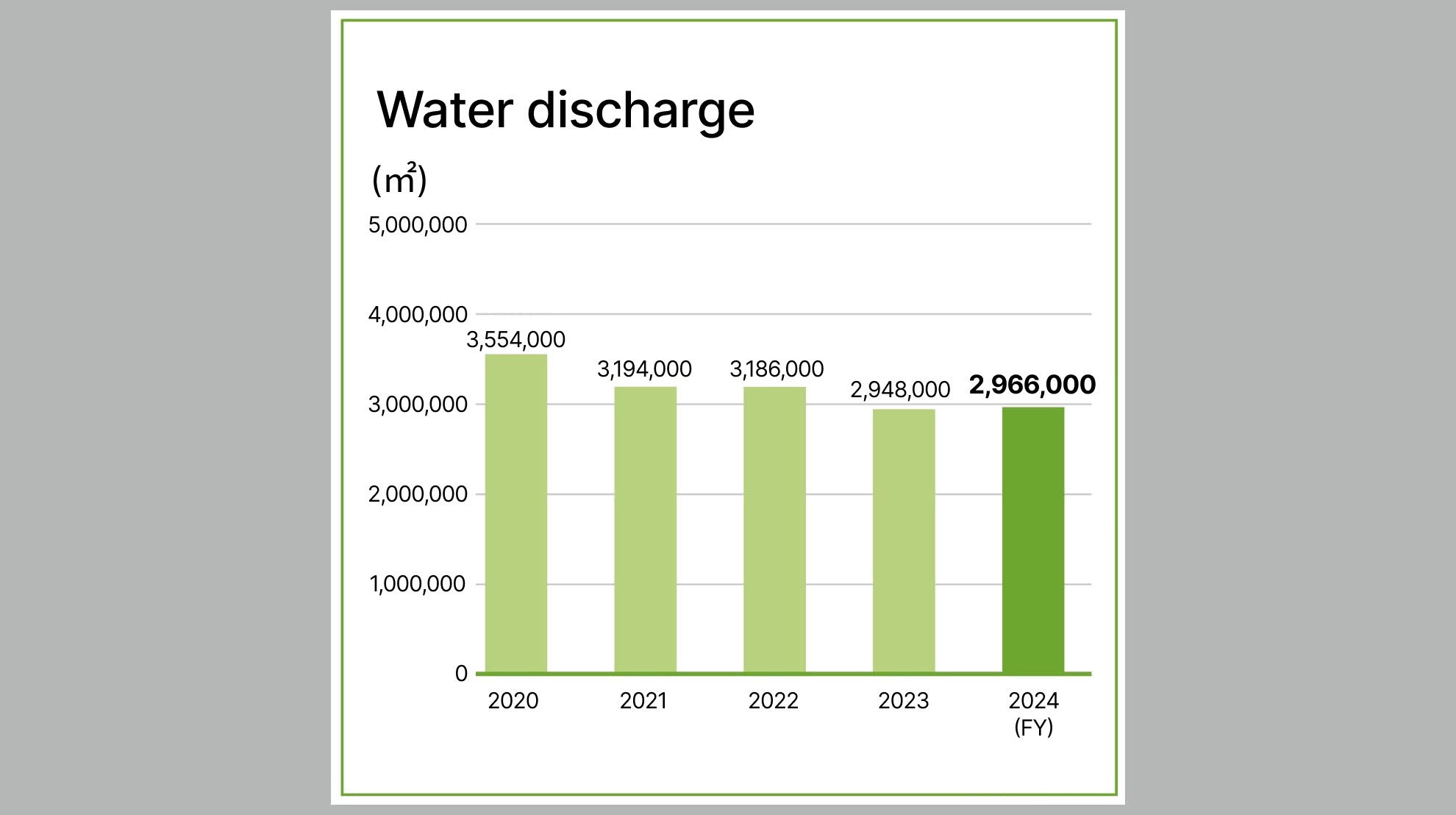
Water use in 2024 was 3,738,000 m³, an increase of 1.3% year on year. The main reason
for the increase was a higher water intake associated with construction work. We will
continue our efforts to reuse water and reduce water intake.
In addition to complying with laws and ordinances set by national and local governments, the
Otsuka Group has formulated Water Resource Management Guidelines that define water management
items and control standards for the Otsuka Group and govern their operation. In 2024, we communicated
these guidelines to all sites, including overseas subsidiaries, and assessed the current status.
In 2025, we will advance initiatives aimed at improving understanding.
Water resource conservation initiatives
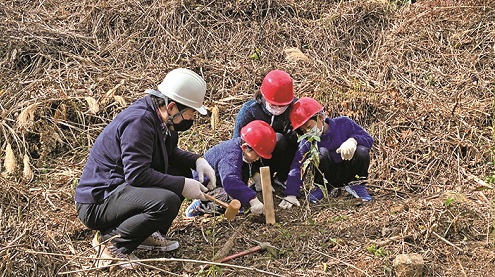
Employees and their families participating in tree-planting activities
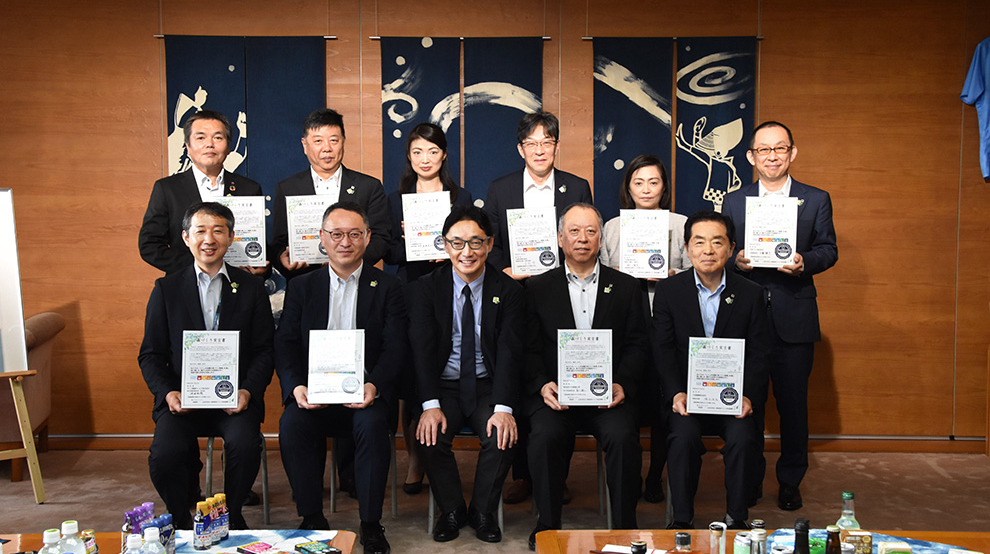
SDGs Forest Development Declaration and Partner Certification Ceremony
Clean and abundant water resources are indispensable to our business activities, and as such, we are actively engaged in conserving forests that nurture water.
Since 2010, we have participated in the “Tokushima Collaborative Forest Development Project” and conducted tree-planting activities. In 2021, the project was revamped from a traditional partnership agreement model to a Forest Development Declaration model, under which companies and organizations take the lead by making an SDGs Forest Development Declaration, and Tokushima Prefecture and the organization partner manage the forests. For five years from 2019, as Anabukigawa FAB, we worked in the upper Anabuki River area (Koyadaira, Mima City) and rolled out forest-building activities as a host corporate group that intensively supports forest maintenance. To conserve water resources, we will continue to maintain forests beyond 2024.
Initiatives in manufacturing
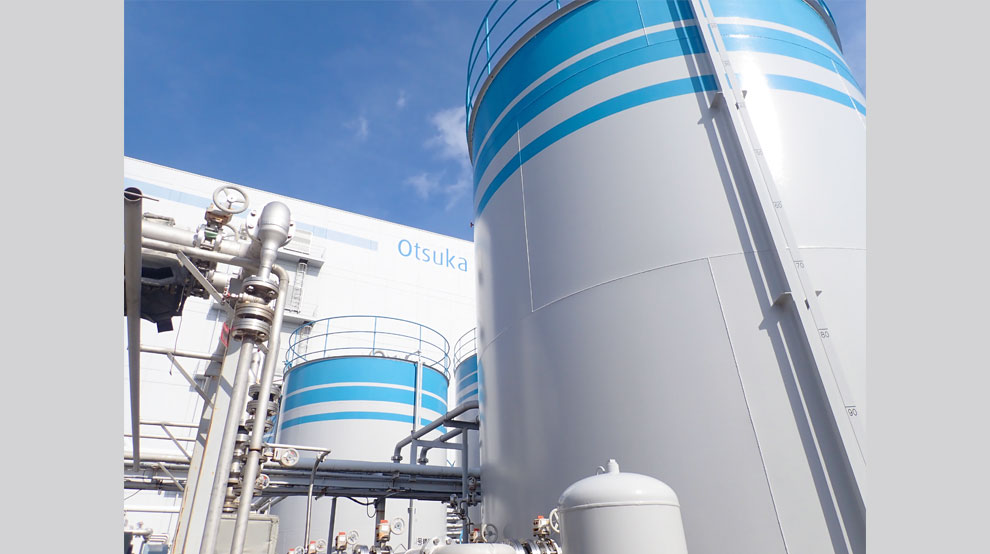
Tank facilities at Matsushige Factory
Water is needed not only as a raw material but also in manufacturing processes such as
sterilizing and cleaning products. Therefore, at sites that handle water, we strive to
improve water-use efficiency and minimize environmental impact upon discharge.
At our Matsushige Factory, we improved processes by collecting wastewater discharged from the
cooling process—the plant's largest water user—into an industrial water tank so that it can
be effectively reused as industrial water.
Wastewater management initiatives
At all plants, we manage the quality of plant wastewater by setting voluntary control standards that are stricter than applicable laws, ordinances, and other regulations.
At the Naruto Factory, which upgraded its wastewater treatment facilities in 2014, the improved treatment capacity has enabled stable operations that are resilient against fluctuations in load. To further reduce environmental risk, we also introduced a system that monitors effluent from the wastewater treatment facility with a water quality meter and, if water quality deteriorates, automatically sends it back into the treatment process. A double check is performed before discharging the water outside the plant, and the system is designed to prevent any effluent that exceeds the standards from being released.
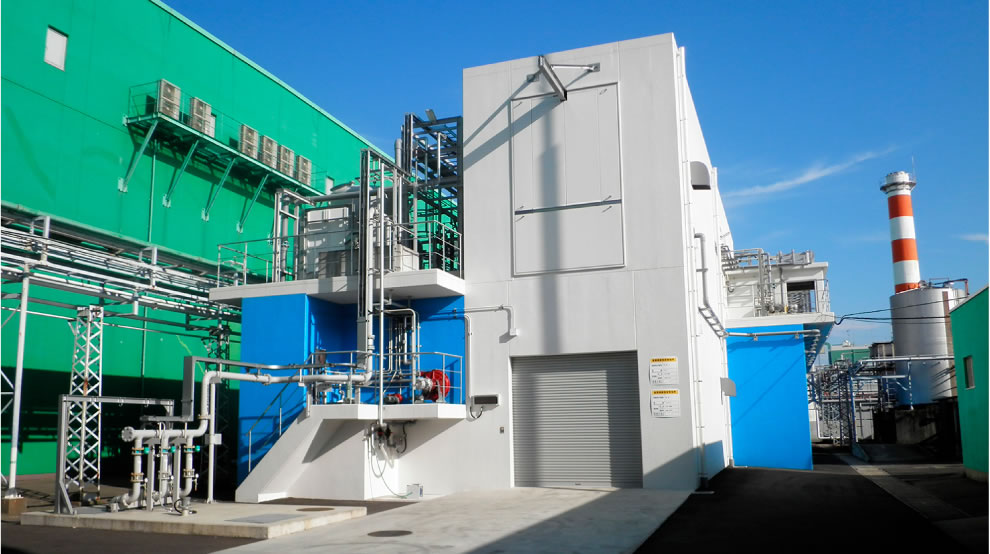
Wastewater treatment facilities at the Naruto Factory
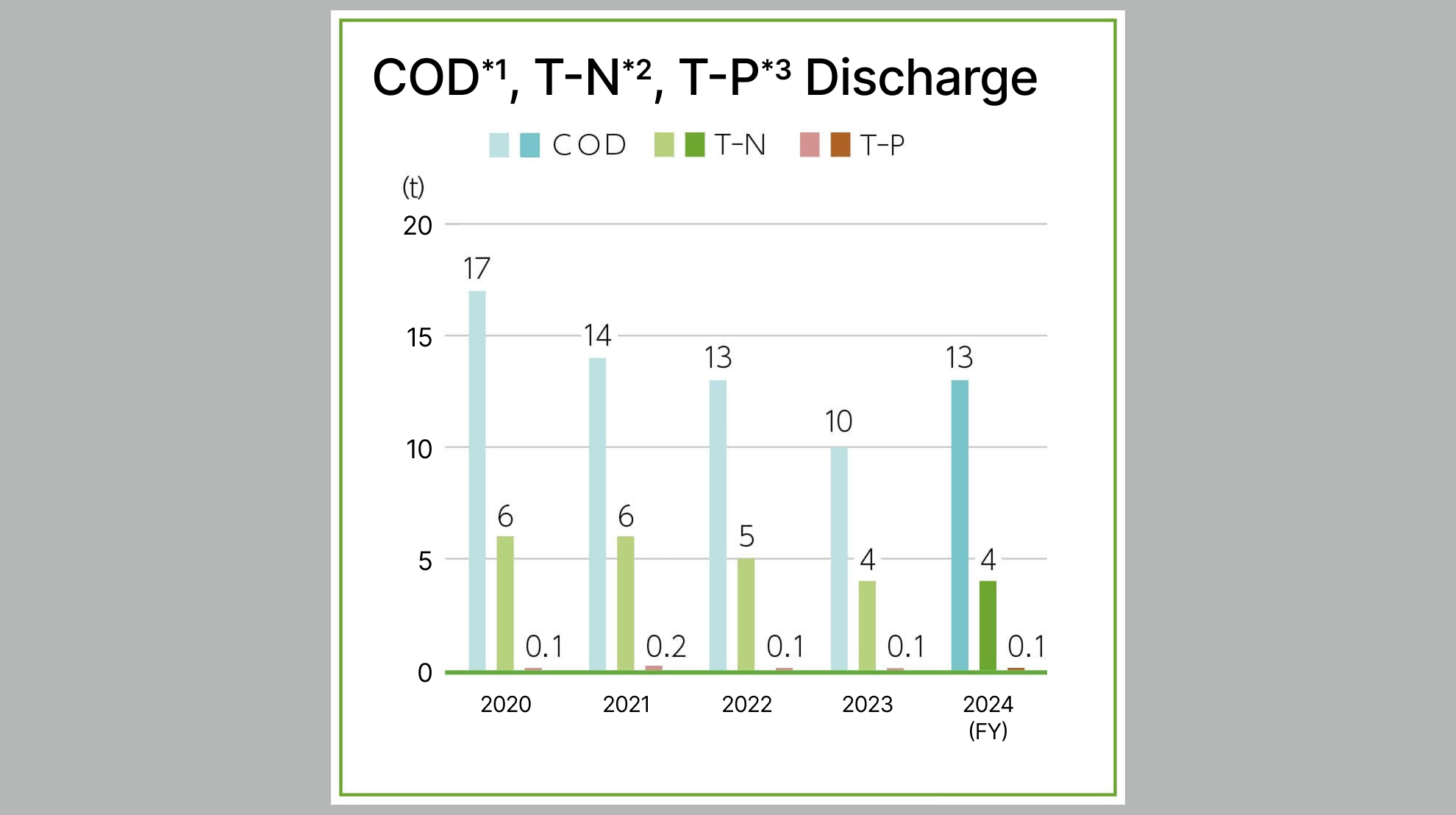
- COD: Chemical Oxygen Demand. The amount of oxygen consumed to oxidatively decompose organic matter in water with an oxidizing agent; one indicator of water pollution.
- T-N: Total nitrogen. The total amount of inorganic and organic nitrogen. One indicator of the degree of water eutrophication, which can cause red tides and similar phenomena.
- T-P: Total phosphorus. The total amount of inorganic and organic phosphorus. One indicator of the degree of water eutrophication, which can cause red tides and similar phenomena.